News
Auditable Safety: How HydraTune Simplifies Proof of Compliance
May 15, 2026
Blogs
Safety expectations in mining and heavy industry have grown sharper in recent years. Many operations now carry a greater responsibility to reduce exposure and demonstrate that safer methods are being used in practice. Hydraulic maintenance has remained one of the more challenging areas, as adjustments often take place near high-pressure lines, stored energy and moving components, creating additional safety risks.
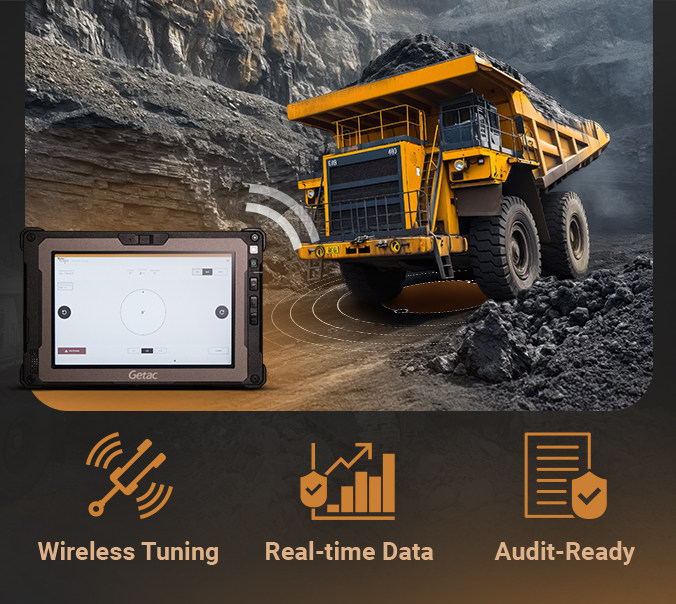
At the same time, improving safety is no longer only about the physical task itself; it also depends on how information is managed. Modern hydraulic maintenance approaches now bring all service and adjustment data into a centralised platform, where records are stored in one place and made instantly accessible to anyone who needs them, at any time. This removes the need for paper-based tracking or chasing information across shifts, while also creating a complete historical log that can be reviewed whenever past work needs to be verified or investigated.
Why Digital Records Matter for Hazardous Energy Work
Maintenance that interacts with plant or pressurised systems attracts close attention from regulators. Safety teams carry the pressure of showing that each task was performed correctly by the right person and under the right conditions. Traditional record keeping relies on handwritten logs, spreadsheets or sometimes, memory. When logging is done manually, it can be inconsistent and prone to human error. Technicians may forget to note details or supervisors may have limited visibility into how long a task took or the exact values adjusted during tuning.
HydraTune simplifies the entire process by automatically logging the data gathered in the tuning session. Everything is time-stamped and stored without requiring a manual form or a follow-up entry. This structure gives teams the proper documentation to show that procedures were followed, tuning is in the required parameters and adjustments were completed safely.
Insight Making ELW Compliance Easy to Prove
Many operations have committed to Eliminating Live Work (ELW). This shift brings new expectations during inspections. Sites now demand proof that technicians are not working in areas where hazardous energy is active.
HydraTune helps make this proof straightforward. Because SafeAdjust allows the technician to complete every adjustment remotely, it confirms the adjustment was made through the digital interface and the log itself shows that the task did not require physical proximity to the hydraulic component.
Safety teams can walk auditors through a time-stamped entry and point to the recorded workflow. This is the type of evidence auditors prefer because it does not rely on memory or interpretation; it reflects what occurred during maintenance.
Staying Audit-Ready
Preparing for audits is stressful for maintenance crew and safety leaders. Data must be gathered from different teams, different shifts and different systems. HydraTune removes much of that burden. Because the system captures information directly to an integrated iPad, reports can be prepared in an instant.
This feature allows teams to spend less time searching for documentation and more time reviewing actual performance. Through detailed reporting and graphs, it also supports leadership teams who want a clearer view of how and when hydraulic maintenance is being carried out.
Improving Audit Outcomes
There are two types of audits, internal and external. Internal audits are focused on day-to-day compliance, internal process improvement and hazard identification. This works best when information is complete, consistent, timely and easy to verify. HydraTune helps by capturing every tuning action in a structured, organised record. With it, supervisors can trace who performed each adjustment, when it happened and how the system responded, all without chasing paperwork from different shifts. This clarity gives internal reviewers a reliable foundation for assessing exposure reduction, identifying recurring tuning issues and confirming that ELW practices are being followed in day-to-day operations.
On the other hand, external auditors are generally approving certifications or making sure that operations are compliant with regulations. They’re often looking to answer a simple question: can you prove that your tasks are being performed safely? HydraTune gives them that proof through the same data and logs. It confirms that the technician was operating remotely and not within any hazard zones. These records allow auditors to complete their assessments quickly and efficiently while giving operations a clear, organised way to demonstrate their compliance.
A More Transparent Future for Hydraulic Safety
The industry has seen many incidents linked to manual hydraulic adjustments. Remote tuning provides a safer alternative but the value of HydraTune extends beyond the task itself. It gives organisations a way to show that safety in their maintenance processes is real and consistent. Every tuning session becomes part of a larger picture of reduced exposure, safer practices and improved oversight.
HydraTune helps operations move toward a working environment where safety is both practiced and proven. The combination of remote capability, automatic logging and organised records gives teams a more confident approach to compliance. It helps create a future where hydraulic maintenance is supported by clear evidence and reliable data rather than paper documentation or the memory of a technician.
Take the next step towards safer, more efficient hydraulic maintenance with HydraTune!
Request a QuoteNews
Are You Investing in Risk Elimination or Risk Management?
April 16, 2026
Blogs
Safety budgets are going up. But incidents are not disappearing.
Across mining and heavy industry, organisations are increasing spending on safety programs, training and new technologies. Yet lost-time injuries and exposure risks continue to show up in the same areas, year after year.
That gap raises the question: Are organisations investing their safety budget in the right areas?
Safety Spending Trends and the Outcome Gap
Recent data around safety spending trends shows just how much investment is going into safety right now. One global survey found that 95% of safety leaders expect to maintain or increase their budgets and 97% see safety as critical to keeping operations running.
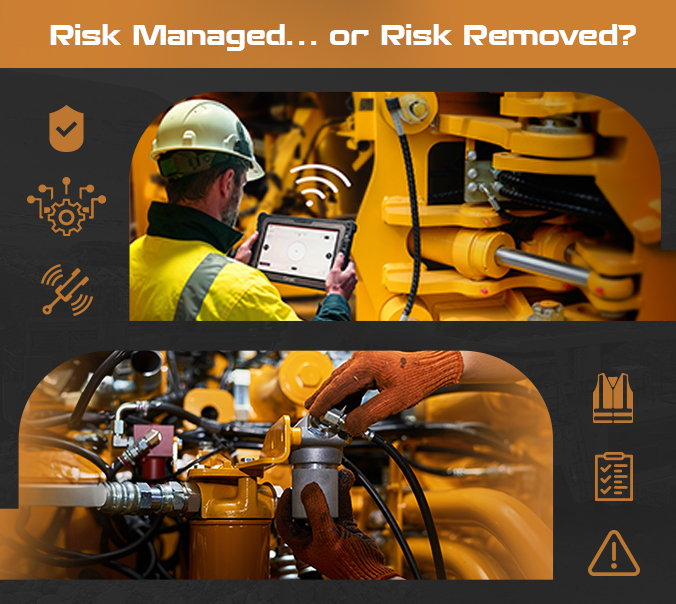
This reflects a shift in workplace safety investment, with more resources being directed toward:  Training programs Workforce engagement Infrastructure improvements New safety technologies
Internal safety advocacies
Each of these plays a huge role in site safety. However, what stands out is that the outcomes haven’t shifted at the same pace. Around 53% of incidents still result in lost time and many teams continue to notice a gap between what safety procedures say and how work gets done on site.
The Real Issue: Risk Elimination vs Risk Management
A lot of current safety efforts are built around control.
Procedures, permits, PPE. These are all necessary and useful. But they still assume that someone is going to be working close to the hazard.
That’s where the difference between risk elimination vs risk management starts to matter, particularly under Elimination of Live Work (ELW) requirements in Australian mining.
The hierarchy of controls makes this clear. Elimination sits at the top because the hazard is removed entirely. Further down, controls start to rely more on behaviour, consistency and conditions lining up the way they should. Most tasks in day-to-day operations still sit somewhere in that middle or lower range. Elimination removes most of the onus on managing the risk from the technician.
SafeAdjust directly addresses this gap by moving the task away from exposure altogether, rather than managing the risk around it.
Redesigning the Task to Reduce Exposure
At a certain point, improving procedures stops changing the outcome. The process itself needs to be completely changed.
This is where engineering controls for safety come in, as a practical adjustment to how work is done. Instead of asking technicians to gear up better before working near live systems, the job is set up so they no longer need to be exposed in the first place.
On site, that shows up quickly. Fewer tasks require working next to live systems. Less variation in how different crews approach the same job. Less reliance on getting every step right just to stay safe.
It also lines up more closely with how audits are assessed. Removing a hazard from the maintenance workflow completely carries more weight than showing it is being actively managed.
Hydraulic Maintenance Risk Doesn’t Go Away on Its Own
Hydraulic work is one of the clearest examples of this gap. In mining operations, hydraulic live work elimination is a defined compliance standard, not just an aspiration.
Hydraulic maintenance risk often involves high-pressure systems, stored energy, tight access and adjustments that need to be made while equipment is still live. For maintenance teams operating under ELW frameworks, this repeat exposure is precisely what elimination controls are designed to remove.
Even with strong procedures in place, technicians are often still required to work close to the system in the danger zone to complete tuning tasks.
That makes it a repeat exposure activity. It’s not occasional. It’s built into the workflow and that’s a problem.
What Risk Elimination Looks Like in Practice
Some of that exposure exists because of how the work has always been done because a better alternative wasn’t available, but it doesn’t mean it has to stay that way.
HydraTune’s SafeAdjust allows hydraulic tuning to be performed remotely. Instead of positioning technicians beside live systems, adjustments are completed wirelessly from a safe distance (a wireless hydraulic adjustment approach) while maintaining full control of the system response.
FlexAdjust supports that by allowing connection across different machines without changing tools or setup each time. On mixed fleets, that consistency makes a noticeable difference.
That’s where the difference shows up. The task moves away from managing exposure and toward removing the need for it, while making the adoption of the new process and technology easy with immediately visible benefits.
Implementing a Proactive Safety Strategy
The strongest proactive safety strategies need a review of existing procedures to get started.
That means looking beyond incident response and asking: Where does exposure still exist in routine work? Can the task be redesigned to remove that exposure? Are current controls sitting at the highest level of the hierarchy?
As safety expectations continue to evolve, this approach becomes more important.
Budgets may continue to grow but outcomes will depend on how effectively that investment is used to eliminate hazards, not just manage them.
The Question for Safety Leaders
Safety spending is rising. The intent is there. The harder question is where that investment is being directed.
Is it helping people work more safely around known hazards? Or can it be spent removing those hazards from the task altogether?
In areas like hydraulic maintenance, the investment shows up in reducing the need for someone to step in close, creating a predictable maintenance environment and delivering consistent execution and results.
Eliminate Risks with Hydratune
The next step forward in safety will not come from adding more controls to the same process. It will come from changing how the work itself is performed.
HydraTune’s SafeAdjust delivers: Wireless hydraulic tuning Up to 100 metres operating distance Reduced technician exposure Improved workflow consistency Alignment with elimination-level safety controls
Less exposure. More control. A safer way to perform hydraulic tuning without changing the outcome of the job.
Learn more about HydraTune’s SafeAdjust: https://hydratune.com/solutions/
Take the next step towards safer, more efficient hydraulic maintenance with HydraTune!
Request a QuoteNews
Why Universal Compatibility Matters (OEM-Agnostic Tuning)
March 25, 2026
Product Updates
Elimination of Live Work (ELW) doesn’t succeed with hardware alone. It needs to be embedded into how maintenance is planned, executed and measured on site.
Many operations understand the intent of ELW but struggle to translate it into day-to-day hydraulic work. A cultural shift only happens when technicians trust the tool, supervisors see consistent results and safety teams can verify that exposure has genuinely been removed. That is where many initiatives stall.
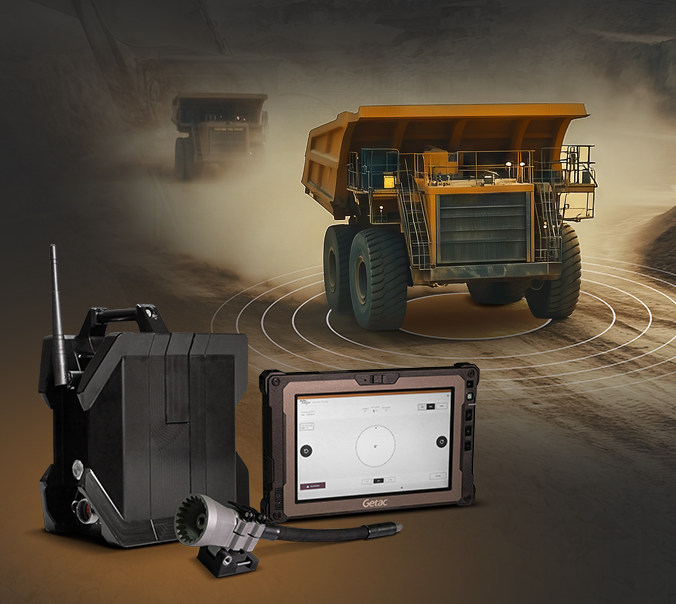
HydraTune supports ELW adoption at the point of work. SafeAdjust enables technicians to perform precise hydraulic tuning while standing clear of live systems, reinforcing safer behaviour every time the task is performed. Through practical demonstrations, workflow integration and onsite support, HydraTune helps teams move beyond policy and into repeatable, measurable change. Over time, that consistency strengthens safety culture across the operation.
Take the next step towards safer, more efficient hydraulic maintenance with HydraTune!
Request a QuoteNews
HydraTune’s Role Beyond Technology: Partnering in ELW Adoption
March 12, 2026
General News
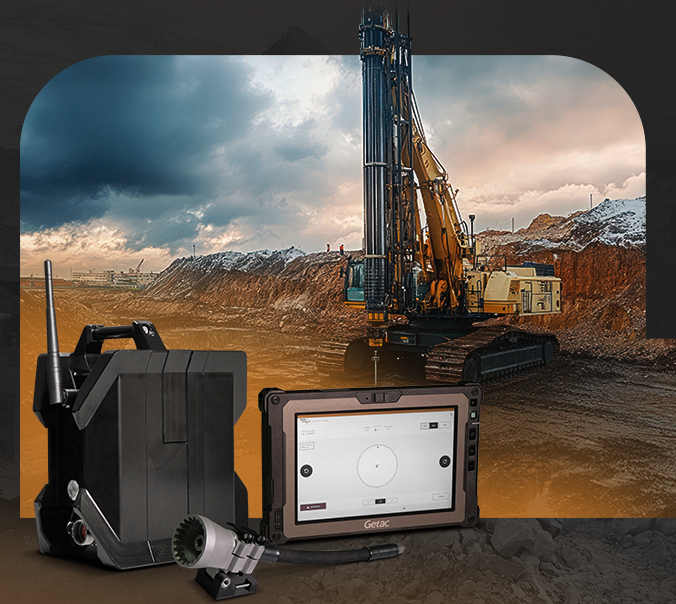
Adopting Elimination of Live Work (ELW) practices delivers value right across your operation, not just at the ‘point of work.’ Take our SafeAdjust system, for example: For Maintenance Technicians:
Removes technicians from the ‘line of fire’ – working inside the machine footprint, with exposure to high-pressure hydraulics, moving machinery, noise and particulate risks. The job becomes less strenuous, yet more controlled and repeatable, improving work consistency and efficiency. For Site Supervisors:
They’ll see fewer maintenance disruptions, more predictable task durations and the ability to plan downtime. This reduces hydraulic work-related bottlenecks, improves reporting and keeps your operations moving. For Site Managers:
A significantly reduced risk of high-consequence incidents protects your most critical assets – your people. This improves compliance, safety culture and the bottom line.
When ELW is properly implemented through tools like SafeAdjust, the benefits are not isolated to one role or function – they flow right across the value chain.
Take the next step towards safer, more efficient hydraulic maintenance with HydraTune!
Request a QuoteNews
What Happens After Technicians Use SafeAdjust Once
February 5, 2026
General News
Trying a new maintenance method can feel risky when the old one still works. We understand that many technicians approach SafeAdjust cautiously at first because they’re unsure whether remote tuning can match the control and accuracy of the methods they are used to.
But that scepticism fades when they see SafeAdjust in action. Once crews see they can make real-time precision adjustments and receive live feedback from a distance, all while staying clear of the danger zone, it immediately builds trust and confidence in adopting wireless digital tuning.

Take the next step towards safer, more efficient hydraulic maintenance with HydraTune!
Request a QuoteNews
Tap. Tune. Transform: HydraTune’s Wireless Power
February 3, 2026
Product Updates
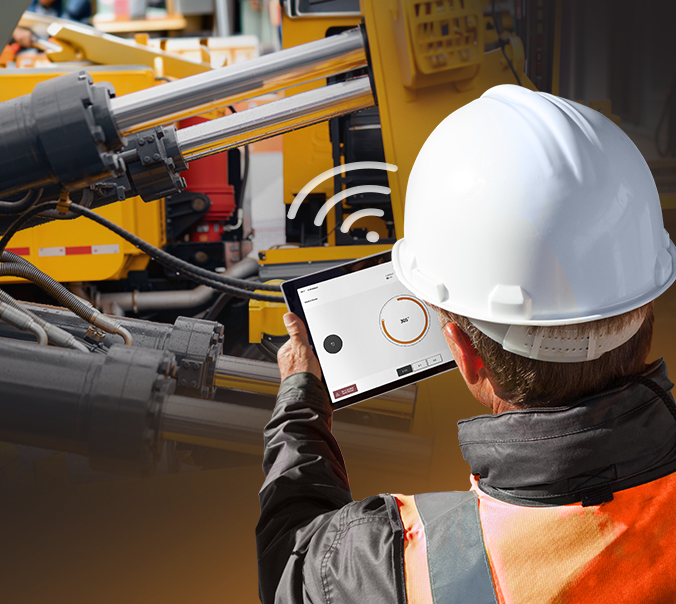
Hydraulic tuning jobs follow a clear process. Check the system, make the adjustment, monitor the response. HydraTune keeps that workflow intact while removing the need to stand beside live pressure systems or reach into hazardous zones to make it happen.
With SafeAdjust, technicians can see real-time system behaviour on the HydraTune tablet and make precise adjustments wirelessly, often without needing a second person or dismantling equipment. Nothing feels overcomplicated. No switching between tools, no guessing and no standing in the line of fire.
Take the next step towards safer, more efficient hydraulic maintenance with HydraTune!
Request a QuoteNews
Support the Crew by Removing the Risk
January 29, 2026
General News
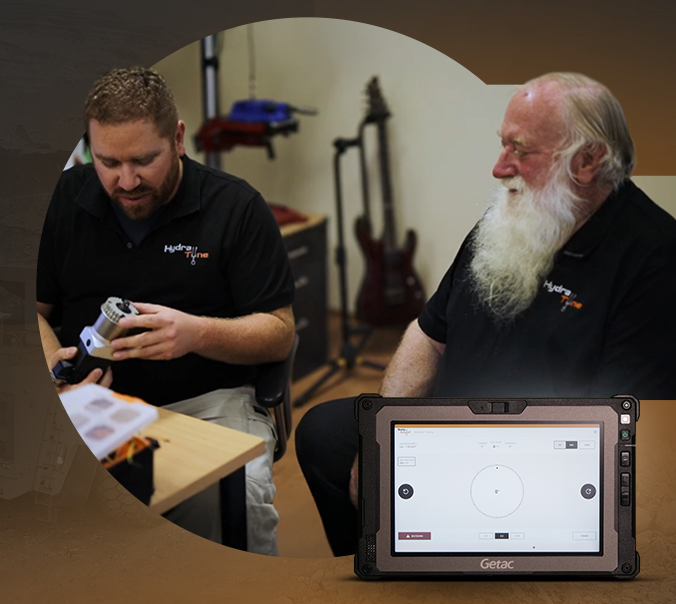
Valuable change in mining maintenance procedures rarely happens overnight. New systems, tools and safety protocols often meet resistance not because technicians doubt their value but because day-to-day work already demands so much from them. Adding something new can feel like an extra burden they don’t have the capacity for. This is why the shift toward Elimination of Live Work (ELW) requires a cultural change that brings people along with it by emphasising the impact it will have on them.
HydraTune recognises that the success of ELW adoption depends as much on trust and behaviour as it does on the engineering of the tools that enable it. Safer tools can only deliver their full impact when technicians understand them, believe in them and choose to use them every day. This blog explores how you can create that cultural shift and how HydraTune solutions make it easier for crews to embrace safer ways of working.
Take the next step towards safer, more efficient hydraulic maintenance with HydraTune!
Request a QuoteNews
Why SafeAdjust Changes Hydraulic Maintenance
January 28, 2026
Product Updates
Hydraulic maintenance doesn’t need to force a trade-off between safety and getting the job done. SafeAdjust allows for wireless digital tuning, removing technicians from high-pressure zones during maintenance, reducing exposure to risk and injury and improving on-site productivity.
With SafeAdjust, crews finish jobs faster with fewer adjustments and less downtime.
Why? Because tuning is precise, repeatable and done right the first time. Now, you’re getting efficiency and productivity that doesn’t come at the cost of safety.

Take the next step towards safer, more efficient hydraulic maintenance with HydraTune!
Request a QuoteNews
Safer Maintenance, Smarter Sites: Why ELW Matters
January 8, 2026
General News
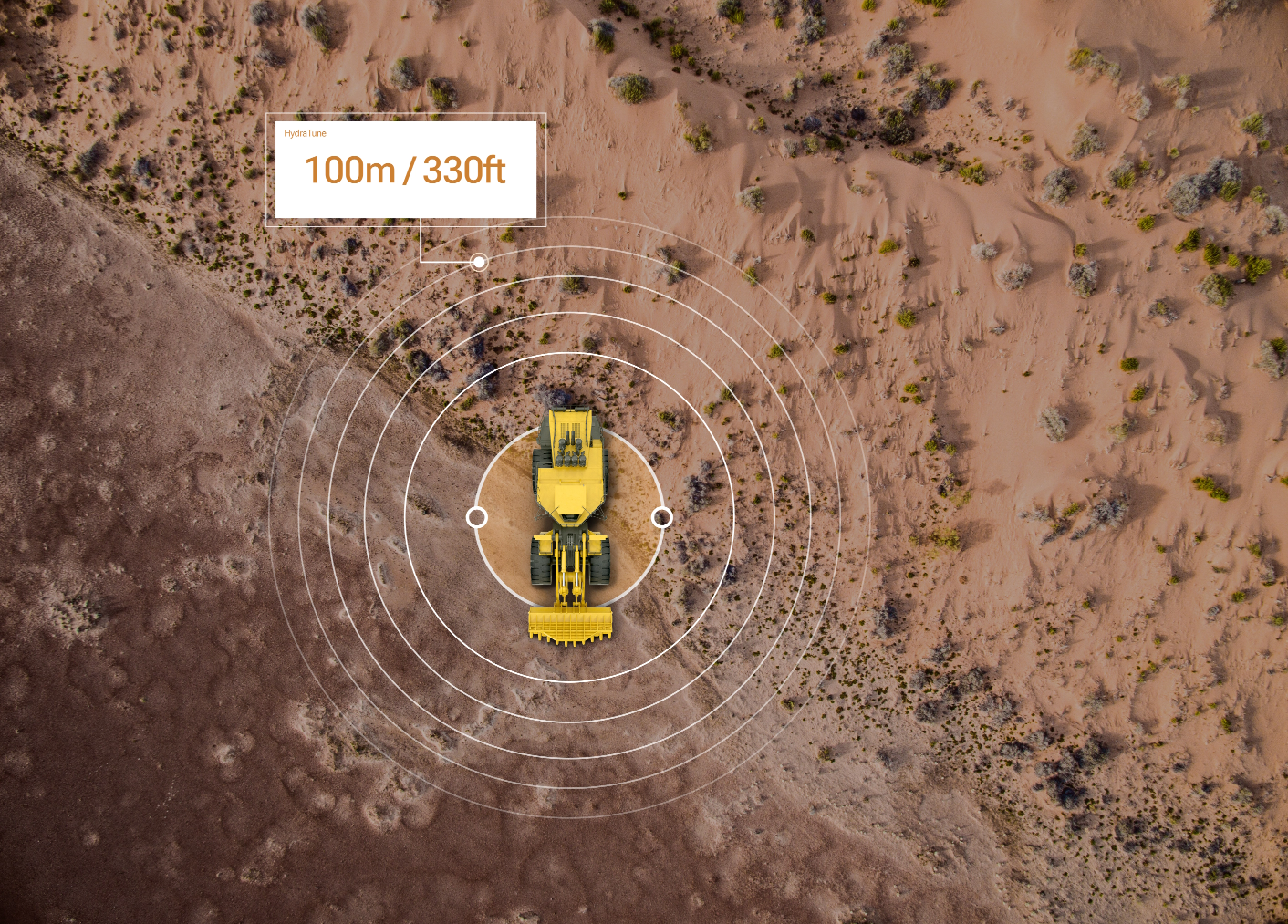
Technicians working on pressurised hydraulic systems face serious hazards every day. Fluid injection, entanglement with machinery, dust inhalation and unexpected system failures are just some of the dangers that can cause severe injuries, disrupt maintenance schedules and halt production. Each live-work adjustment increases risk, drains resources and adds stress to crews already under pressure.
HydraTune removes these dangers with SafeAdjust, allowing technicians to tune hydraulics remotely from up to 100 meters away. With HydraTune, your operations stay online. Teams can complete maintenance faster, maintain precise control and protect their personnel without sacrificing uptime.
Take the next step towards safer, more efficient hydraulic maintenance with HydraTune!
Request a QuoteNews
The Data Advantage: Using HydraTune Insights for Smarter Maintenance
December 4, 2025
Blogs
Hydraulic maintenance has always carried a mix of risk, pressure and deadlines. Many teams focus on completing the task safely and efficiently, yet the information behind every adjustment often goes unused. HydraTune changes this by turning each tuning session into a source of insight. Every pressure change, every valve movement and every operator input becomes part of a growing data set that can help teams better understand system behaviour.
Capturing Real-Time Data That Builds a Clearer Picture
We’ve already discussed in a previous blog how SafeAdjust helps protect technicians. But what it also does is it provides maintenance teams with live system readings while tuning takes place. Values such as pressure, valve position and adjustment response appear directly on the tablet. All these readings are automatically recorded. That means that every session produces data that can be reviewed at any time. With that data, technicians can get better visibility into how each component behaves under load or during fine adjustments.
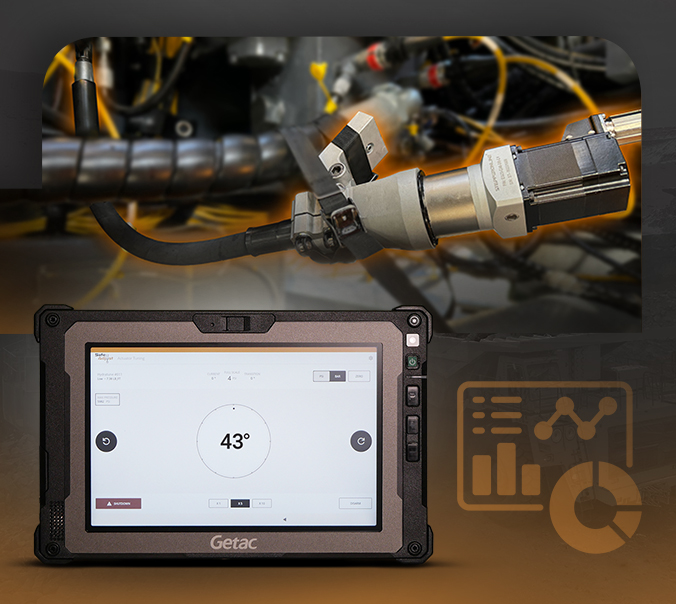
Over longer periods, the data that you collect forms a performance history that can highlight patterns that would be difficult to detect through manual work alone. Small variations in pressure or drift in valve position can point to early signs of wear. Subtle shifts that might be dismissed during manual tuning become easier to recognise when they appear consistently in logged data.
Building Predictive Maintenance Around Real Patterns
Many maintenance strategies still rely on scheduled intervals or reactive repairs. HydraTune helps by providing a proactive strategy which helps identify issues before they escalate. With each tuning session, you get a steady stream of information that can reveal how quickly a component is drifting or how often re-adjustments are needed. Having this type of information allows planners to decide when it’s best to intervene, which in turn, helps reduce downtime and strengthens overall equipment reliability.
Improving Safety and Supporting ELW Through Recorded Insight
Many operations are now under greater scrutiny regarding hazardous energy management. Elimination of live work is becoming a stronger expectation throughout Australia and regulators increasingly look for proof that sites are removing exposure completely, rather than just managing it. HydraTune provides an automatic record of every adjustment, which helps safety teams show that high-risk maintenance doesn’t have to be carried out near pressurised components.
Through ELW and SafeAdjust, each maintenance log contains details such as the adjustment value, the system response and the technician’s actions. These records become valuable during audits because they show that field teams are completing maintenance remotely and consistently. This also helps safety managers identify improvement areas, confirm that ELW principles are being followed and show measurable reductions in exposure hours. The data provides a proof for showing compliance progress without adding administrative burden to already busy teams.
Using Insights to Strengthen Decision-Making Across Operations
Many organisations want to improve reliability but struggle to find clear starting points. HydraTune offers a practical way to build better maintenance strategies by providing insights that reflect real operating conditions. Teams can track how each asset responds across seasons, shifts and work cycles. Patterns that were previously unseen come to light when similar adjustments appear across the same machine type or within a specific part of the fleet. This information can guide broader operational decisions.
With HydraTune: Planners are able to compare the performance of different machine groups. Supervisors can pinpoint which parts or equipment cause the most downtime. Procurement teams can make more informed decisions about components or upgrades. Technicians gain confidence because they can see concrete data on how their adjustments influence performance.
And lastly, the organisation will also benefit from greater transparency, which strengthens both safety and productivity.
A Maintenance Environment Built Around Knowledge
Hydraulic systems will always require careful attention and maintenance crews will always play a critical role in keeping operations moving. HydraTune removes the live work exposure during hydraulic tuning, providing a structured, data-supported approach that helps sites modernise the way they manage maintenance.
HydraTune gives teams the information they need to anticipate problems, tune with accuracy and make better decisions at every level of the organisation. The combination of wireless tuning, universal access and clear data helps create a safer, more consistent and more informed maintenance culture that supports the future of mining and heavy industry.